Is your checkout abandonment rate normal? 2026 benchmarks
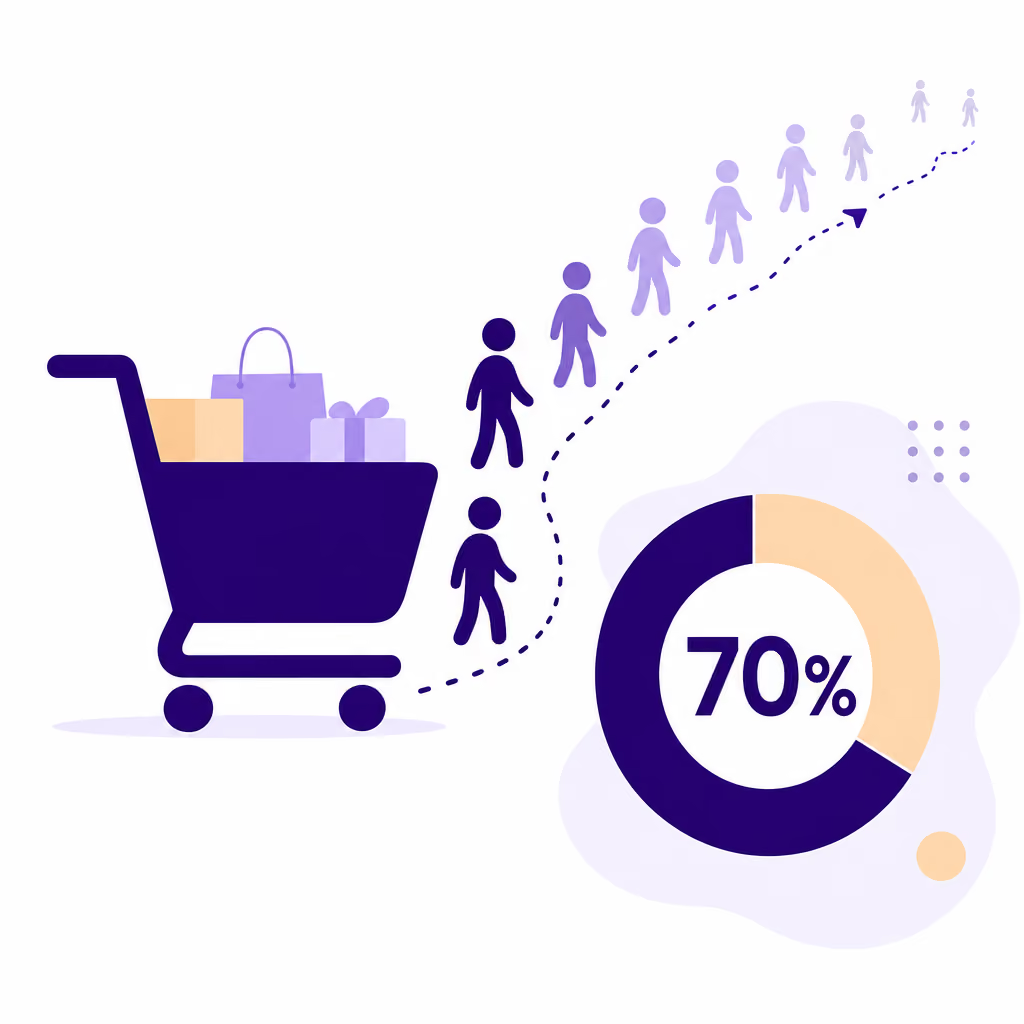
Seven out of ten online shoppers who add items to their basket will leave your store without completing a purchase. According to the Baymard Institute, the average documented online shopping cart abandonment rate is 70.22%.
While this figure represents a global baseline, performance varies significantly depending on what you sell, where your customers live, and whether they are browsing on a smartphone or a desktop. Understanding these benchmarks allows you to identify whether your ecommerce funnel performance is competitive or if friction in your checkout is driving customers away.
Average abandonment rates by industry
Not all sectors face the same hurdles. Luxury goods often have higher abandonment because customers use the cart as a comparison tool or a digital wishlist before making a significant investment. Conversely, essential goods or replenishment items often see higher completion rates because the intent to buy is more immediate.
Data from Dynamic Yield and eMarketer suggests that high-emotional-investment categories suffer most from "window shopping" abandonment. If you operate in these niches, a rate above 80% might be typical, whereas a pet supply store with a 75% rate should be concerned.
Regional variations in shopper behaviour
Geography plays a significant role in checkout success. In the EMEA region (Europe, Middle East, and Africa), abandonment rates hover around 80.15%, according to Dynamic Yield.
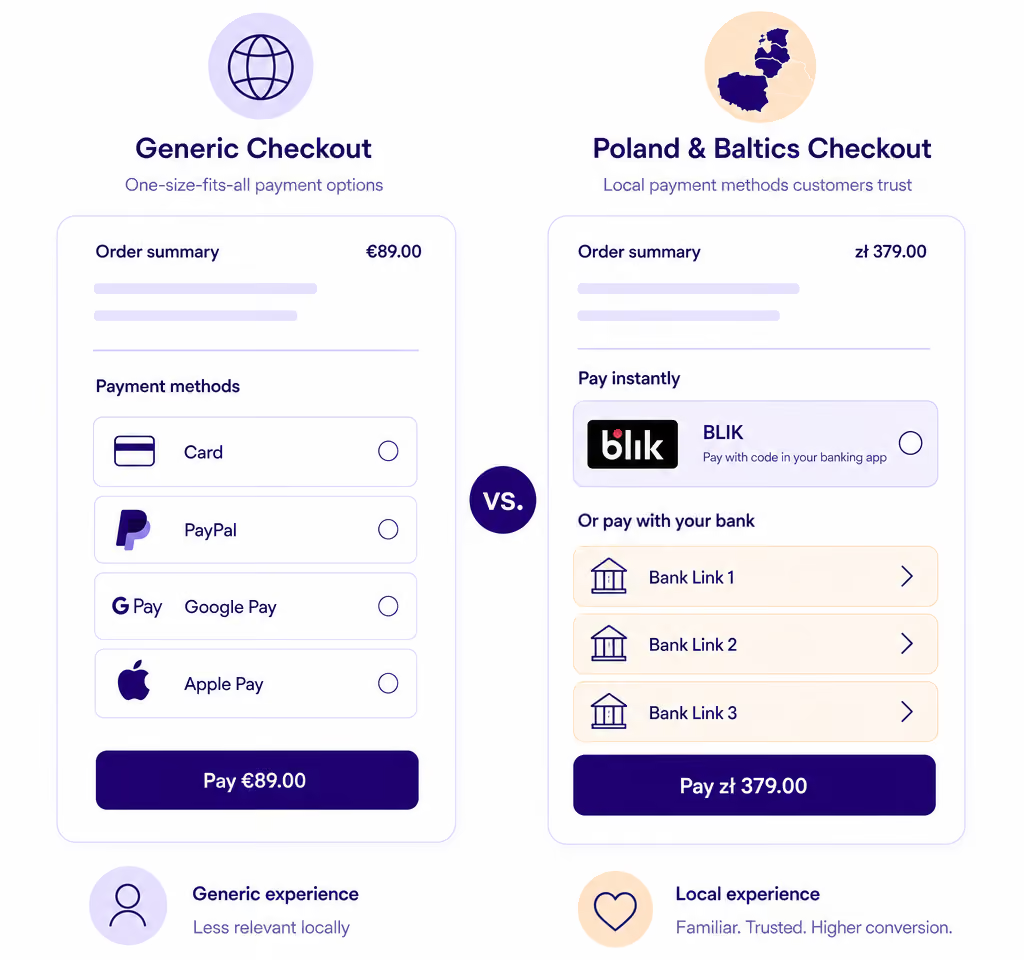
In markets like Estonia, Latvia, Lithuania, Poland, and Finland, customers have a high affinity for specific local payment methods. Forcing these users into a generic checkout that lacks familiar options like BLIK, MobilePay, or local bank payments is a guaranteed way to spike your abandonment rate. Ensuring you offer the right payment methods for each specific region is critical for local conversion.
Mobile versus desktop performance
The "mobile gap" remains one of the biggest challenges for online merchants worldwide. While 75% of ecommerce traffic now originates from mobile devices, abandonment is significantly higher on smartphones than on desktops.
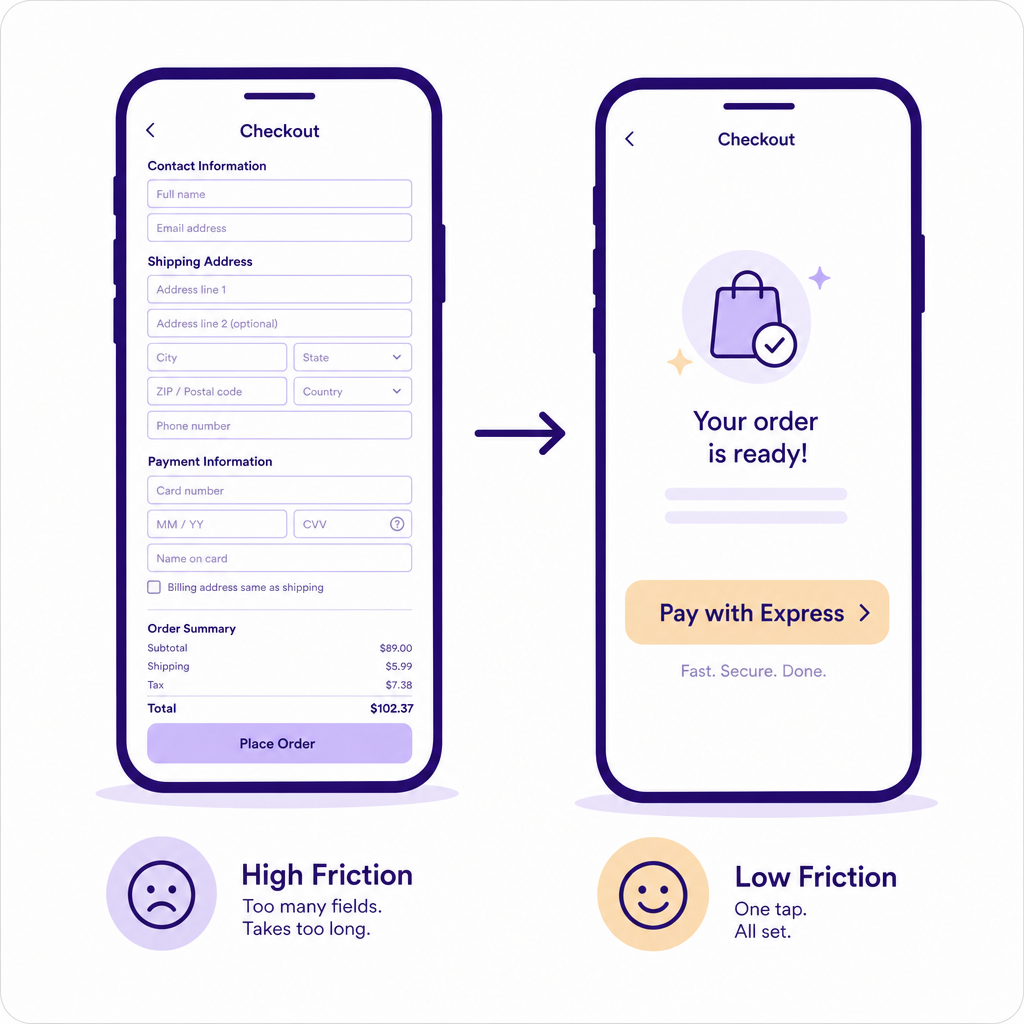
Small screens make complex forms feel like an overwhelming wall of fields rather than a simple transaction. If your checkout requires manual entry of card numbers or long addresses, mobile users will likely quit. This is why supporting mobile-first options like Apple Pay and Google Pay is now expected, not optional. It's a requirement for maintaining a healthy conversion rate.
Why shoppers leave at the final hurdle
It's tempting to view all abandonment as lost sales, but you must honestly consider the shopper’s perspective: many carts are abandoned because the user was never ready to buy. They might be calculating total costs or waiting for a payday. However, a significant portion of abandonment is preventable. Key friction points include:
- Hidden costs: Unexpected shipping fees or taxes revealed only at the last step.
- Forced account creation: Requiring a password and profile for a one-time purchase.
- Lack of payment flexibility: Not offering installments or Pay Later options for higher-priced items.
- Technical performance: Broken elements and slow page loads.
"A user who was already at the finish line suddenly faces having to go through the entire path again because of a form error or a missing payment method. This is the moment most revenue is lost." – Reducing Cart Abandonment
How to evaluate your ecommerce funnel
To determine if your rate is "good," look beyond the 70% average. Track your drop-off at each stage of the journey:
- Basket to checkout: Shoppers who initiate the process
- Checkout to payment: Shoppers who enter their personal or delivery details
- Payment to success: Shoppers who successfully complete the transaction
If you find a massive drop-off between the checkout and the success page, the issue is likely technical or related to your payment provider’s reliability. To minimise friction, merchants can show card fields directly in the checkout to avoid unnecessary redirects.
Benchmarking your store against global data is the first step toward growth. If your abandonment rates are consistently higher than the industry averages mentioned above, it is time to look at the specific blockers in your checkout flow. Small adjustments to your delivery options, payment methods, or form fields can have a compounding effect on your bottom line. To find out exactly where your store is losing money, reach out to us, and we'll help you identify your biggest conversion blockers.